
I posted this before but I did find a few more places that do oil testing in the Philippines. I would be nice to see what local vehicles are actually doing under the hood. Besides a test is a lot cheaper than running your oil for short intevals not based off of the actual facts of how your oil and filter are performing. This testing will also let you know how that aftermarket air filter is doing as well. And with oil prices as high as you are if you find you can double your oil change intervals it's worth every peso for the testing.
CRE Laboratory - Home
METALUX - Lubrication Maintenance Specialists - METALUX - Lubrication Maintenance Specialists
PTT Philippines Corporation
Central Analytical Services Laboratory (CASL) | University of the Philippines Los Baños
Very good article on oil.
badtziscool.com - Automotive » Oil Analysis and Information

The Largest Car Forum in the Philippines
- Forums
- Discussions
- Events
- Community
Results 1,101 to 1,120 of 3899
-

 ElgrandClubph FB

- Join Date
- Dec 2007
- Posts
- 1,961
February 4th, 2012 06:33 AM #1101
-
Verified Tsikot Member
- Join Date
- Mar 2009
- Posts
- 184
February 4th, 2012 06:37 AM #1102I've been doing some reading on the subject, and given that these are based on empirical evidence, it does makes sense. Believe it, or not.
---------
STOP STOP STOP!
The ORIGINAL factory APPROVED oil change interval is 30,000 miles! YES 30,000 MILES!!
Did you comprehend that?
THE ORIGINAL OIL CHANGE INTERVAL APPROVAL IS 30,000 MILES!!!
Now that I have that off my chest,
VW reduced the interval from 30,000 miles to 10,000 miles in the US market...any guesses why?
Because people like you either:
1) Can't read the owners manual
2) Don't trust the car makers
3) Can't follow directions
4) Fail to adhere to the service indicator in the car
VW does NOT want oil change intervals of less than 10,000 miles due to how the oils function in the engine, shorter intervals INCREASE WEAR, Don't argue with me about it, if you take the time to track wear rates during an oil change at 250 mile intervals you can plot the reduction and stabilization of the wear rates out beyond 25,000 miles!
Think of oil as having 2 types of wear reducing additives, the first provides protection by/thru detergancy (cleansing of internal surfaces), dispersing soot, neutralizing acids (not an issue now with ULSD), and several other types as well. These additives are generally very specific to diesel engines and must pass specific tests in VW Diesel engines.
The next type of additive is a wear additive. These protect the engine where the thickness of oil may be too thin to prevent metal to metal contact. Other additves in this type range also provide protection to the cam and lifters, engine bearings, piston wrist pins etc.
Now pay attention, the 2nd group of additives account for less than 3% of the total volume of the oil. These additives also account for 90% of the engines oil protection! These additives require heat and pressure to bond with the critical wear surfaces, but due to the low percentage of additive in the oil they require time to fully place on those surfaces by the pressures of the component they are protecting. Example, an engine at operating temperature at the point where the cam presses on the lifter generates in excess of 90,000 psi, that pressure and the heat of the engine causes the 3% portion of the 1 micron thick oil film to form a crust or sacrifical layer at the point of contact. Since only 3% of the oil contains the wear additives, it requires hundreds of thousands of passes to generate a sufficient film to stop the wear at this specific point in the engine.
Everybody is quick to make the arguement that the old oil had these additives so they are already in place, right? not quite!
Remember the first type of additive? In that 1st group you had "detergents" that cleanse the inside of the motor. These cleansers are used up very rapidly after an oil change since they attack the remaining oil that was left after the oil change. These cleansers if you will also reduce the effectiveness of the high pressure wear additives...See where this is going?
Before explaining further, after that initial period the dispersants in the oil work to prevent the adhering of the particles in the oil to any of the internal surfaces. These additives are often unique to diesel engines are also the reason why the oil looks so black so quickly, they are doing their job by preventing the soot from building up in any one place instead they are dispersed in the oil evenly throughout the oil sump which prevents sludging and other contamination related issues.
Back to the detergents and the high pressure additives, the layers of high pressure additives leftover are not being replenished after the oil change due to the cleaning process that is going on with the new oil to neutralize the remaining acids, and other contaminants in the engine. As the cleaners in the oil are used up in the first 500-1000 miles, the wear additives are able to re-generate a protective layer in the engine that stops the wear at that location.
You break down the oils life cycle like this:
Phase 1: Detergants attack the internals removing accumlated contaminants, neutralize acids and force those into suspenstion in the oil. This period of time lasts between 500-1000 miles
Phase 2: During the first 1000 miles the oils viscosity provides the majority of the wear protection by virtue of the film it creates on the surfaces. This phase generates relatively high wear rates but due to the short duration this is accepted due to the removal of contaminants that could result in long term damage to the motor. Wear rates in the period of time are generally speaking 5-10ppm per 1000 miles.
Phase 3: Detergents are now used up and the oil additives are forming their protective layers in the "extreme pressure" regions of the motor. Now the oil additives are working in conjunction with the oil film and the wear rates drop from 10ppm per 1000 miles to around 1-2ppm per 1000 miles.
Phase 4: Longterm peace! The oil is operating in a period of equilibrium, the wear additives are placed, Oil viscosity is in perfect range for the engine, Dispersants are continually working to prevent soot and other contaminants from accumulating on the surfaces and wear rates remain between 1-3ppm per 1000 miles.
Phase 5: Oil run out, the oil during this phase begins to increase in viscosity (or thin in some cases), Extreme pressure additives begin to lose effectiveness due to increased concentrations of wear particles (VW tests out to 8%, most oil changes never see in excess of 2% after 30,000 miles). This is when you begin to see a rise in the wear metal formation in the engine. Often wear metals during this phase rise to the 3-8ppm per 1000 mile range. Notice that the wear metals being generated are still LOWER than they were in the first 1000 miles?
--------------------------------------------------------------
When somebody says they are going to change the oil every 5000 miles or twice as often they are DOUBLING the number of detergent cycles and DOUBLING the number of cycles where the engine is running at it's highest wear rates!
PPM/Fe (generation of Fe in 1000 mile increments)
Short drain intervals
1K oil change
10ppm = 10ppm in 1000 miles = 10ppm/1000 miles
3K oil change
10+2+2 = 14ppm in 3000 miles = 4.6ppm/1000 miles
5K oil change
10+2+2+2+2: Change oil = 18ppm in 5000 miles = 3.6ppm/1000 miles
Long drain intervals
10K oil change
10+2+2+2+2+2+2+2+2+3 = 29 ppm in 10,000 miles = 2.9ppm/1000 miles
15K oil change
10+2+2+2+2+2+2+2+2+3+3+3+3+3+3 = 44ppm in 15,000 miles = 2.9 ppm/1000 miles
20K oil change
10+2+2+2+2+2+2+2+2+3+3+3+3+3+3+3+3+3+4+4 = 61ppm in 20,000 miles = 3.3ppm/1000 miles
When ppm of Fe per 1000 miles reaches 5-7ppm per 1000 miles you can consider the oil ready for a change...
The above is based on real world TDI oil samples.
I have personally used up to 25,000 mile oil drain intervals on my TDI and still never reached the 5-7ppm range! I changed it at that time due to soot and TBN depletion (high sulfur fuel at the time).
Anybody that tells you that short oil drain intervals are good for your motor don't know what they are talking about!
Source: superturbodiesel.com - tuning performance turbo diesel mercedes, W123, W116 and up. OM617, OM60X
-
ElgrandClubph FB
- Join Date
- Dec 2007
- Posts
- 1,961
February 4th, 2012 06:57 AM #1103While I don't agree with 25,000 mile oil changes without a seriously good oil filtration system, It's not all about the TBN it's about the rest of the wear particles, TAN, and for diesels soot levels. Vehicles in the Philippines are not using ULSD like in the US. So the testing somewhat does not apply. And not only is it not ULSD it's not exactly the cleanest diesel in the world either and tends to foul your oil quicker than it would state side.
Most of this stuff has been covered on anouther thread but this good information you have posted. knowone should blindly run thier oils for over 12000miles/20000kms especially in the Philippines, Remember many people are still using VIC oil filters and other low quality oil fitlers that have nowhere near the efficiency of oil filters found in the US.
And with the number of older diesels with mechanical diesel injection it's really not advisable they are not exaclty efficient when it comes to burning all there diesel and make a lot of soot and carbon. You should only base your oil change intervals off of base line facts then include in the variables as I have pointed out. There are actaully a bunch more but I don't feel like beating a dead horse on this issue.
Every vehicle is different just like the enviorment they operate in and the driving conditions they encounter on a daily basis. A engine oil analysis is key. For instance I can assure you that you will have a much higher silicon count in Metro Manila than most cities in the US due to the pollution (another one of those factors I am talking about).
Once people start to do oil testing and posting some results then Tsikot members will have a true base line to go off of for oil change intervals for there vehicles. But for now 10000km to 12000km is a very safe level when using a quality oil filter, 15000kms is really not pushing it to hard with a Fleetguard or Baldwin filter either. But a VIC no way, your going to have seriours wear count numbers.
Again very good information you have posted. But definetly not applicable to all vehicles in all enviorments in all situations. To many factors are out there.
-
 Banned!!!
- Join Date
- Jun 2011
- Posts
- 4,513
February 4th, 2012 07:18 AM #1104 Originally Posted by dvldoc

if i change only the oil filter every 5000kms.? pwede na po ba yun?
-
 Tsikoteer
- Join Date
- Dec 2009
- Posts
- 986
February 4th, 2012 08:17 AM #1105Doc, i'll try to have oil analysis so that we can really determine the need for intervals with regards to Phil conditions.
-
Tsikot Member Rank 3
- Join Date
- Oct 2006
- Posts
- 1,069
February 4th, 2012 08:37 AM #1106It will all depend on how you use the car and what brand of oil you use. Turbo charged cars will require more frequent oil change. Originally Posted by miko101130
-
ElgrandClubph FB
- Join Date
- Dec 2007
- Posts
- 1,961
February 4th, 2012 08:39 AM #1107Again factors. It depends on what filter you have, Most quality filters can go 10000kms no problem like Bosch, Real purolators, WIX, Baldwin, Fleetguard, Nippon ect. Originally Posted by glenn manikis
VIC it does not matter the interval you change them in, they don't filter worth a crap. Your still missing lots of particles a normal fitler would be catching.
Best to keep these question on the other thread since it's already discussed many times, it's kinda a pain bouncing from thread to thread on the same subject.
-
Verified Tsikot Member
- Join Date
- Mar 2009
- Posts
- 13
February 4th, 2012 09:42 AM #1108hi Doc, yes I'm very glad to have seen this thread and backread it all the way. Originally Posted by dvldoc
The oil is now 4500++ km mileage and looks like like 2500km when I was using the vic filter. The way I look at the oil is that it can reach 8000km. I think I'll will be monitoring the viscosity after 5k km since the oil is just a regular oil and I worried that it will start to breakdown past 5k?? By the way, I test the viscosity using the pour method (using two angle bars placed on same inclined plane) by comparing it with the new oil.
Hopefully I can extend the service life that long as it will be a big savings for my service operation cost.
-
Verified Tsikot Member
- Join Date
- Mar 2009
- Posts
- 13
February 4th, 2012 10:31 AM #1109it is a cartidge filter body, you can find it at Ace Hardware. Best installed reverse that of the water filtration normal use. Just insert a tube/pipe to direct the flow downwards first before it exits otherwise it'll just short circuit the flow. The objective is for the blowby containing mist will downward until the bottom and when it it flows upward the oil droplets will be left behind by gravitational pull. The longer cartridge the better. Originally Posted by regor_nono
-
 Moderator
- Join Date
- Nov 2010
- Posts
- 25,276
February 4th, 2012 10:32 AM #1110Nope, gen 2. Originally Posted by vyn300d
 Fasten your seatbelt! Or else... Driven To Thrill!
-
Moderator
- Join Date
- Nov 2010
- Posts
- 25,276
February 4th, 2012 10:39 AM #1111Problem with Shell Helix Diesel is they changed the viscosity to 10w30 instead of 10w40. As dvldoc said, better get a w40 oil for a trpical climate like ours at the minimum. Originally Posted by jaymd
I think dvldoc also suggested that adding a oil improver can increase a w30 to w40 viscosity rating.Last edited by Ry_Tower; February 4th, 2012 at 10:42 AM.
Fasten your seatbelt! Or else... Driven To Thrill!
-
Moderator
- Join Date
- Nov 2010
- Posts
- 25,276
February 4th, 2012 10:51 AM #1112Mods I second the motion, just merged or close this thread with the remote bypass oil thread sana.
Fasten your seatbelt! Or else... Driven To Thrill!
-
Tsikoteer
- Join Date
- Nov 2009
- Posts
- 3,522
February 4th, 2012 11:22 AM #1113Just a regular water filter pero pwede din sa oil. Available at ace or handyman. Here's the thread of DIY http://tsikot.com/forums/nissan-cars.../index152.html Originally Posted by regor_nono
-
Tsikot Member Rank 2
- Join Date
- Jun 2004
- Posts
- 476
February 5th, 2012 03:56 PM #1114Thanks dvldoc. Originally Posted by dvldoc
I checked the cross reference sites you posted in this thread. Also checked sites of Auto Parts stores stateside – Kragen, Pep Boys, and Autozone. These are the part numbers I came up with for my LC 100 (2UZ-FE) and LC 80 (1FZ-FE). Appreciate if you can confirm if these are the correct ones.
There are no stocks of Bosch and Baldwin oil filters for these rigs in Warren and Volmax. Superior Motors has the Wix 51348 and 51515 in stock – they are only priced at P240 and P199 respectively – at these prices I’m having doubts if these are genuine Wix filters.
Have an upcoming trip to the US so will probably get the filters for these two rigs over there.
LC 100 (2UZ-FE engine)
Wix
- part # 51348
Bosch
- part # 3330 or 72161
Baldwin
- part # B159 or BT223
Purolator
- part # L10241 or L22821
LC 80 (1FZ-FE engine)
Wix
- part # 51515
Bosch
- part # 3330 or 3500
Baldwin
- part # B2
Purolator
- part # L30001 or PL10241
* Could not get part numbers for Fleetguard filters for these engines.
By the way I’ve shifted to Bosch oil filter for my wife’s Pajero Gen 2.5 (4m40TDIC). Will try out Baldwin (BD28 or BD7028) from Volmax in my next oil change. I currently change the oil at 4,000km intervals and oil used is Caltex Delo 15w-40 mineral oil. If I use the Baldwin can I extend the oil change interval?
Thanks once again dvldoc.
-
Tsikoteer
- Join Date
- Dec 2009
- Posts
- 986
February 5th, 2012 05:51 PM #1115I think the wix filters from superior motors are genuine.. bought 4 times already there 51515 in our everest and another one for our pajero 6g74... i have posted in the earlier threads the inside of a used wix...
-
ElgrandClubph FB
- Join Date
- Dec 2007
- Posts
- 1,961
February 5th, 2012 09:00 PM #1116Have not seen any fake WIX there, as a matter of fact there is really no market for them. Wix are not expensive but are high quality filters you can go 10000kms with both Wix and Baldwin. Originally Posted by paj4x4
But if your going to the states I would get Bosch distance plus filters over WIX. They are over the counter filters with about the same filter media as a Baldwin and hold more dirt.
Bosch Distance Plus D3423
If your changing your oil at 4000km intervals on Diesel oil your wasting your money. You might also want to see if the area your in has a Napa auto parts store first because Napa carries WIX , Napa also has Napa brand filters (Napa makes WIX) The new Platinum filters they are awesome These are full synthetic media filters like Amsoil. and designed for 20000km oil change intervals.
[Cut Open] NEW NAPA Platinum 41515 - Bob Is The Oil Guy
Napa gold are the same as WIX filters. All high quality.
-
ElgrandClubph FB
- Join Date
- Dec 2007
- Posts
- 1,961
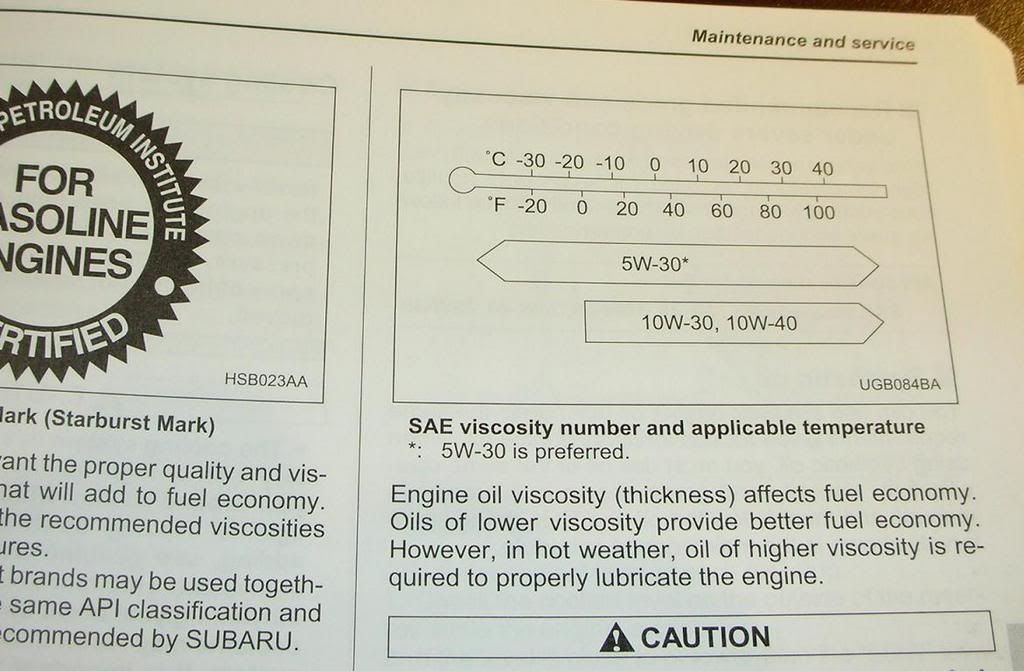
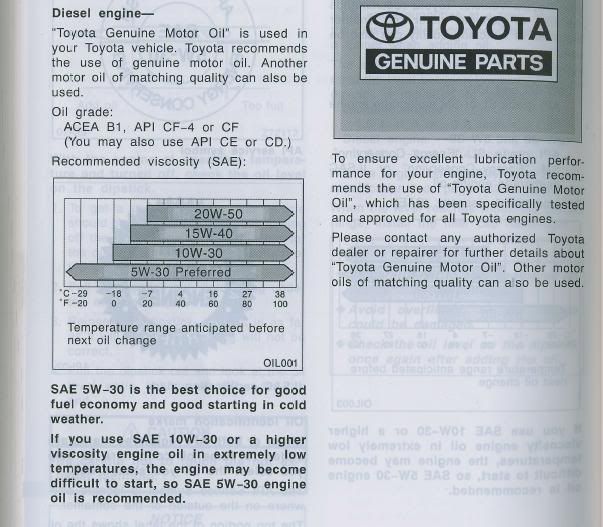
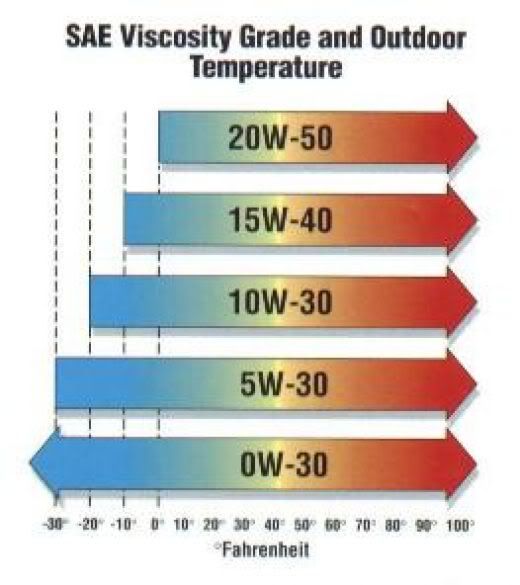
February 5th, 2012 10:43 PM #1117Since this gets ask so much just want to break it down to it's simplest form. You should be running oil based on your climate if you look in your owners manual you will see a chart what what type of oil you should use in what climate. But here is the simplest break down I can give.
The recommended temperature range are as follows
10w30: -13 F to 100 F (-25Celsius to 38Celsius)
10w40: -13 F to no limit (-25Celsius to no limit)
In other words the difference between the two oils if you are hesitating in switching over is that, the 10w40 has same performance at low temperatures, but works well also above 38C/100F. Your vehicle will experience above 38C in Manlia trafffic meaning 30 weight oil will break down quicker and provide less protecton. But if you live someplace like Baguio you can run 30 weight oil year around.
-
Verified Tsikot Member
- Join Date
- Mar 2009
- Posts
- 13
February 6th, 2012 12:02 AM #1118just done changing oil on my Avanza 1.3 wherein I'm also using Vic C110. I was worried initially when I saw the small mounting diameter of the avanza engine and the Baldwin BT228 that I bought would be too big and auto parts store are already closed. To my delight when I tried to fit the filter and the rubber gasket outer diameter of BT223 is exactly the same diameter of the mounting.
Need to go to Volmax this week. My stock of Baldwin filter is depleted
-
ElgrandClubph FB
- Join Date
- Dec 2007
- Posts
- 1,961
February 6th, 2012 12:18 AM #1119The BT223 will fit all Toyota 4cly gas engines. And they fit the 2.5 and 3.0 Toyota D4D engines as well. Glad you got off the VIC
-
Verified Tsikot Member
- Join Date
- Mar 2009
- Posts
- 13
February 6th, 2012 12:59 AM #1120same here dvldoc, Originally Posted by dvldoc
initially I got worried because I know for a fact that the engine of Avanza is a Daihatsu. Now it was confirmed
BTW, my friend owns a gen 1 Tucson CRDi, when we check at the Baldwin site we learned that only gas variant was released in the US. Would you know if it's applicable for the CRDi variant? tnx

 Reply With Quote
 Originally Posted by dvldoc

