
Hi guys. Sino nasa mazda greenhills ngayon? Im here for my 1k pms.
Posted via Tsikot Mobile App

The Largest Car Forum in the Philippines
- Forums
- Discussions
- Events
- Community
Results 6,881 to 6,900 of 12077
-

 Verified Tsikot Member

- Join Date
- Dec 2012
- Posts
- 244
December 29th, 2015 02:22 PM #6881
-
Verified Tsikot Member
- Join Date
- May 2006
- Posts
- 280
December 29th, 2015 02:47 PM #6882Hopeless na ito sadly [emoji17] went thru 2 reputable detailers already. repaint na talaga, but im a bit hesitant to repaint by panel lang since 1/4 of the car has it, baka wash over is more practical [emoji17] just afraid of the long term results once more based from my previous experience sa isa kong car that went thru multiple repaints already Originally Posted by Yatta

-
 Verified Tsikot Member
- Join Date
- Jul 2007
- Posts
- 65
December 29th, 2015 02:51 PM #6883Interested also in this product, I was quoted ₱8k for my hatch, less 10% for Tsikot members. Might go for this if ceramic pro is charging such exorbitant prices. Originally Posted by boomshine
-
 Verified Tsikot Member
- Join Date
- Jan 2015
- Posts
- 12,396
December 29th, 2015 03:52 PM #6884I'd do as I always have w/ most of mine.....leave the original coating untouched.....unless the damage fix really requires it. Sprayovers will never outlast factory applied primer & paint. I'd also stay as far away from scraping to bare metal. I've a 19yr old nippon reliable still on virgin factory...w/ scratches & all, but no color nor sheen fade. Overall paint condition looks way better than my pa's retouched Innova. Originally Posted by balongbalong

-
Verified Tsikot Member
- Join Date
- May 2006
- Posts
- 280
December 29th, 2015 05:24 PM #6885Nahulog na kasi bwahaha [emoji23] Originally Posted by travajante
-
Verified Tsikot Member
- Join Date
- Jan 2015
- Posts
- 12,396
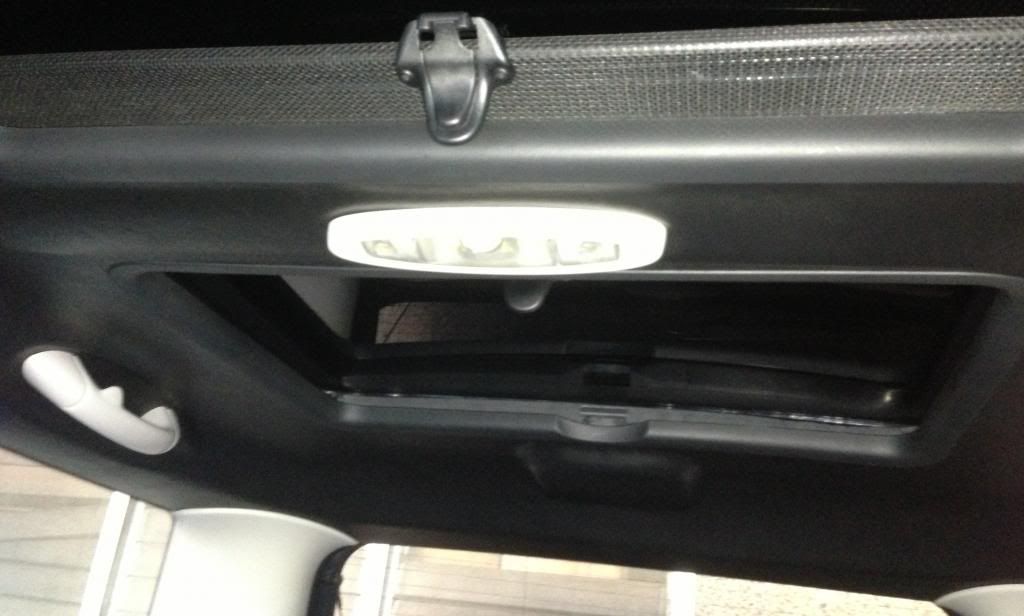
December 29th, 2015 05:55 PM #6886Haha...don't worry, it's DIYable. Euros use inferior waterbased adhesives that simply won't last in our humidity. If you can't source 3M headliner adhesive spray, quality contact adhesives will probably outlast the car. Hehe. Originally Posted by balongbalong
I DIY'd zero-maintenatance matte black pleather in....no more saggy liners.
-
Verified Tsikot Member
- Join Date
- Dec 2012
- Posts
- 244
December 29th, 2015 08:01 PM #6887Tumama sa gutter kanina hirap kasi tantsain ang nguso hehe. Hindi nmn masyado halata pero nakakairita lang. May magic remedy ba dito mga sir?
-
Verified Tsikot Member
- Join Date
- Sep 2015
- Posts
- 76
December 29th, 2015 08:13 PM #6888New learnings from Sir Travajante! Originally Posted by travajante
True sa #1. Kahit kung ano-anong polish at wax ilagay ko at ilang buff (hand buff) ang gawin ko parang wala effect. Oh well...atleast di masyado kita yung small scratches. White color does make a car bigger. Para nga daw ako nakaSUV sa M3 ko. Though I picked white instead of silver kasi parang mas madaling bihisan. Lalo na balak ko mag matte black rims and red rim ring
-
Verified Tsikot Member
- Join Date
- Jan 2015
- Posts
- 12,396
December 29th, 2015 08:18 PM #6889Hmmm, stock tires have no rim protectors...next set, look for those with, chiezee sir. Originally Posted by chiezee
Don't worry too much, that curb rash is so negligible...only you would realize it's there. Just leave it. Battle scars like these will help us be constantly more cautious.
If you really need more eyes to avoid such...get this panoramic camera system:


-
Verified Tsikot Member
- Join Date
- Dec 2012
- Posts
- 244
December 29th, 2015 08:26 PM #6890Wiw nice how much does this cost sir? Do you have it installed aswell? Originally Posted by travajante
Posted via Tsikot Mobile App
-
Verified Tsikot Member
- Join Date
- Aug 2015
- Posts
- 76
December 29th, 2015 08:47 PM #6891bro nakuha ko na ata to.. hehehe eto ba yung kay bro Christian? Originally Posted by testament11
-
Verified Tsikot Member
- Join Date
- Jan 2015
- Posts
- 12,396
December 29th, 2015 08:53 PM #6892White will look bigger, yes....but had you chosen silver w/ your plans of black & red, it would've been like this.... Originally Posted by rei_lied

-
Verified Tsikot Member
- Join Date
- Jan 2015
- Posts
- 12,396
December 29th, 2015 09:10 PM #6893That's not my car, chiezee sir. Mine is way too hobo to be worthy of those gizmos. Originally Posted by chiezee
If you're up for this mod, check w/ Louie Anson Ng of Lamson Electronics first. If he doesn't have a bird's eye view system, try sourcing stuff like these from China, where else.
Online Shop Free shipping High End dvr car 4 channel car around view monitor 360 around view system for parking monitoring DVR shock sensor|Aliexpress Mobile
Universal 360 visual parking system All round view car camera control box Front Left Right Rear cameras-in Rear View Camera from Automobiles & Motorcycles on Aliexpress.com | Alibaba Group
-
 Verified Tsikot Member
- Join Date
- Feb 2011
- Posts
- 121
December 29th, 2015 11:59 PM #6894And as promised
 she's home.
time to send in the orders. If only the banks were open tomorrow.
-
Verified Tsikot Member
- Join Date
- Jan 2015
- Posts
- 12,396
-
Verified Tsikot Member
- Join Date
- Nov 2006
- Posts
- 20
December 30th, 2015 01:12 AM #6896Hi Guys! Got my Mz3 2.0 HB last Dec 23. Haven't gotten around to driving it around much yet as it's a wedding gift for my fiance. And for the short time I've driven it, I'm happy to say I'm satisfied with my purchase!
Cheers!
P.S. Travs, I have already bought but haven't gotten around to installing your plate relocator yet since it's parked at a friend's house to avoid my fiance knowing about the gift. Excited to install it once I get the chance. Thanks!
-
Verified Tsikot Member
- Join Date
- Feb 2011
- Posts
- 121
December 30th, 2015 01:25 AM #6897Thank you - all your posts and advice helped me decide on getting the 3 Originally Posted by travajante
Can anyone suggest me a place to get lc818's 19's with a good cheap tire combo? Or maybe titans?
-
Verified Tsikot Member
- Join Date
- Jan 2015
- Posts
- 12,396
December 30th, 2015 01:28 AM #6898Wow...Grats!!! Make sure to be extra alert in case fiance faints upon the unveil!!!! Waitaminute....are you sure that's really for her???? Haha.... Originally Posted by carchayser
Btw, thanks much on the relocator.
-
Verified Tsikot Member
- Join Date
- Nov 2006
- Posts
- 20
December 30th, 2015 01:34 AM #6899Haha I have to admit that it is as much as a gift for her as it is for me, but yeah, she'll be the one using it. I still have my trusty Subie to lug me around hehe Originally Posted by travajante
-
Tsikoteer
- Join Date
- Mar 2008
- Posts
- 54,626
December 30th, 2015 01:36 AM #6900after a few weeks, tell us about how you refused to touch and drive it. Originally Posted by carchayser
heh heh.

 Reply With Quote
 Originally Posted by Yatta


 :naughty2:

