
To those who didn't know Electric Cars gained popularity in the mid-90s and almost went mainstream but due to dark forces it got killed.....
Watch this 2006 Documentary to know what happened...
http://www.youtube.com/watch?v=nsJAlrYjGz8
Long Story-short:
California Law Makers got concerned about Air Quality in their state so they publish a mandate requiring Car Manufactures to produce Zero-emission Vehicles.
General Motors, Toyota, Ford, Honda and others released many variations of electric vehicles....
The ONE that stood out was the EV-1 produced by GM and marketed under their Saturn division.
A Couple of years later mysterious complaints started pouring in questioning Electric Cars and their Charging Stations.... Annoyingly this leads to the dismissal of the mandate of Zero Emissions Vehicles in the state of California.
Car Companies started repossesing all the Electric Vehicles that they leased to happy, satisfied owners... The owners protested but to no hope they lost and all the cars were taken it to be scrapped...
After that General Motors bought AMC and started producing the Hummer.....

The Largest Car Forum in the Philippines
- Forums
- Discussions
- Events
- Community
Results 21 to 40 of 80
-
 Tsikoteer

- Join Date
- Sep 2009
- Posts
- 368
February 15th, 2011 05:21 PM #21
-
 Tsikoteer
- Join Date
- Oct 2002
- Posts
- 29,354
February 15th, 2011 05:32 PM #22 Originally Posted by sm2by

The VOLT is still technically a hybrid because it has an electric system with an internal combustion engine.
http://en.wikipedia.org/wiki/Hybrid_electric_vehicle
Hybrid electric vehicles can be classified according to the way in which power is supplied to the drivetrain:
* In parallel hybrids, the ICE and the electric motor are both connected to the mechanical transmission and can simultaneously transmit power to drive the wheels, usually through a conventional transmission. Honda's Integrated Motor Assist (IMA) system as found in the Insight, Civic, Accord, as well as the GM Belted Alternator/Starter (BAS Hybrid) system found in the Chevrolet Malibu hybrids are examples of production parallel hybrids.[11] Current, commercialized parallel hybrids use a single, small (<20 kW) electric motor and small battery pack as the electric motor is not designed to be the sole source of motive power from launch. Parallel hybrids are also capable of regenerative braking and the internal combustion engine can also act a generator for supplemental recharging. Parallel hybrids are more efficient than comparable non-hybrid vehicles especially during urban stop-and-go conditions and at times during highway operation where the electric motor is permitted to contribute.[11]
* In series hybrids, only the electric motor drives the drivetrain, and the ICE works as a generator to power the electric motor or to recharge the batteries. The battery pack can be recharged through regenerative braking or by the ICE. Series hybrids usually have a smaller combustion engine but a larger battery pack as compared to parallel hybrids, which makes them more expensive than parallels. This configuration makes series hybrids more efficient in city driving.[11] The Chevrolet Volt is a series plug-in hybrid, although GM prefers to describe the Volt as an electric vehicle equipped with a "range extending" gasoline powered ICE as a generator and therefore dubbed an "Extended Range Electric Vehicle"[12] or E-REV.[12][13][14]
* Power-split hybrids have the benefits of a combination of series and parallel characteristics. As a result, they are more efficient overall, because series hybrids tend to be more efficient at lower speeds and parallel tend to be more efficient at high speeds; however, the power-split hybrid is higher than a pure parallel.[11] Examples of power-split (referred to by some as "series-parallel") hybrid powertrains include current models of Ford, General Motors, Lexus, Nissan, and Toyota.[11][15]Last edited by ghosthunter; February 15th, 2011 at 05:35 PM.
-
 Tsikoteer
- Join Date
- Apr 2010
- Posts
- 2,135
February 15th, 2011 05:56 PM #23e kung prius di mabenta (almost), e lexus pa kaya?
vios, unless the facility here in PH is very good compared to other countries, ay magiging mabenta.
-
 Wheelin and Dealin'
- Join Date
- Feb 2008
- Posts
- 14,181
February 15th, 2011 06:04 PM #24GM can call the Volt whatever they want for marketing purposes pero as far as I am concerned the mere fact it has an internal combustion engine then its a HYBRID!
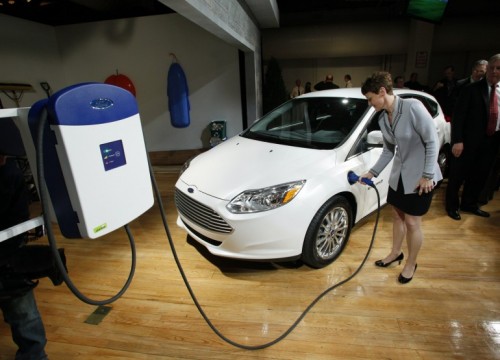
Pure electric vehicles are the Nissan Leaf, the Mitsubishi iMIEV and the Ford Focus Electric... Yung isa lang engine, electric motor!
-
Tsikoteer
- Join Date
- Sep 2009
- Posts
- 368
February 15th, 2011 07:59 PM #25This was the dream that died

GM EV-1 (Top Gear 1997)
[ame="http://www.youtube.com/watch?v=5JrBuzWo2PI"]http://www.youtube.com/watch?v=5JrBuzWo2PI[/ame]
-
 Verified Tsikot Member
- Join Date
- Jun 2009
- Posts
- 2,515
February 15th, 2011 10:24 PM #26* tidus -- ano comment mo dun sa cost computation on page 1? mas mura electric than gas dito sa pinas di ba?
---
More EV news:
Other than the Yaris hybrid, Toyota will also release an EV iQ next month
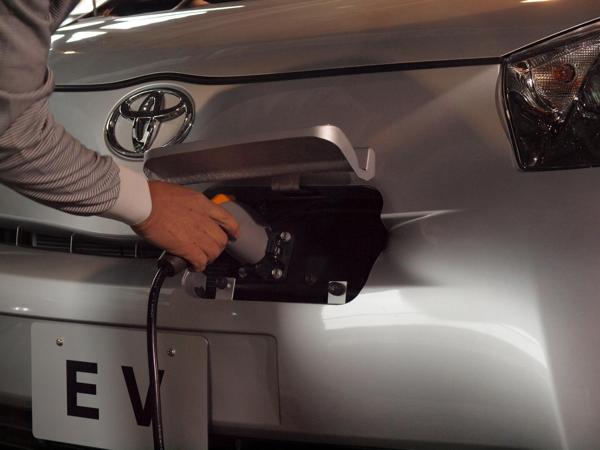
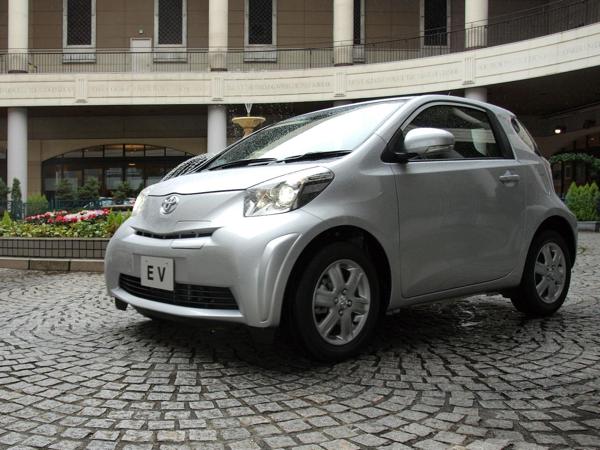
http://www.automotiveworld.com/news/...type-at-geneva
Honda will show off its Electric Jazz in Geneva next month:

http://www.motoism.com/20110215250/t...otor-show.html
-
Verified Tsikot Member
- Join Date
- Jun 2009
- Posts
- 2,515
February 15th, 2011 10:30 PM #272009 video, 2009 technology. Laos na yan, tidus. Originally Posted by tidus1203
Great example of an EV that is designed horribly and exorbitantly prices. This Mitsubishi EV is dead on the water with the Nissan LEAF's arrival and the electric Focus coming late this year. Originally Posted by ghosthunter
-
Wheelin and Dealin'
- Join Date
- Feb 2008
- Posts
- 14,181
February 15th, 2011 10:37 PM #28Yeah the Honda FCX Clarity was made in 2008 sadly didn't got too much attention when its very obvious its the way to go cause its so similar to the cars of the present without the emissions of burning fuel and hydrogen being the most abundant element in the universe...
I guess you want to wait 8 hours to recharge, sorry I am a busy man can't wait 8 hours I want to drive the way I do now. Fill up for 2 minutes and I am good for another 400km or so...
That's the problem of electric. THE WAITING TIMES!!! In the modern age that's unacceptable!
-
Wheelin and Dealin'
- Join Date
- Feb 2008
- Posts
- 14,181
February 15th, 2011 10:40 PM #29Assuming tama computation mo (sorry bud tinatamad na ako magbilang), magkano naman yung kotse mababawi mo ba yan on pure savings on electricity VS petrol alone? Its like the classic petrol vs diesel argument pero the cost of electric vehicles is even way more than the difference of petrol and diesel engines...
Isa pa if environment was the issue guess how we get our electricity?
COAL!
Dirty as hell and even worse for the environment than burning petrol...
-
Tsikoteer
- Join Date
- Oct 2002
- Posts
- 29,354
February 16th, 2011 12:35 AM #30Based on data on 1st page:
electric car:
160km = P124.68
assuming annual mileage = 12,000km
annual electric cost = P9,351.00
petrol car:
160km = P784.00
assuming annual mileage = 12,000km
annual fuel cost = P58,800.00
Annual cost difference = P49,449.00 (or how much you save on fuel cost)
If you use the electric car for ten years, you would have saved P494,490.00 in fuel cost savings.
Vios = P700,000
proposed eVios = P1.5M
Conclusion, even with ten years of use and assuming the battery pack will last ten years without degrading (which is impossible), it would still be cheaper to own and operate a standard Vios.
-
Wheelin and Dealin'
- Join Date
- Feb 2008
- Posts
- 14,181
February 16th, 2011 12:11 PM #31Oh yeah we forgot the maintenance cost of the electric vehicles... Those batteries are hell a lot expensive...
-
Tsikoteer
- Join Date
- Oct 2002
- Posts
- 29,354
February 16th, 2011 12:25 PM #32 Originally Posted by tidus1203
Its the same (untold) story with the e-jeepney. The operating cost they show to the media and in their "info" brochures don't even consider the cost of the batteries (which is a major consumable item on electric cars).Last edited by ghosthunter; February 16th, 2011 at 12:32 PM.
-
Tsikoteer
- Join Date
- May 2006
- Posts
- 1,668
February 16th, 2011 12:33 PM #33Cost of a Prius batter = $4k ++ service charges
http://priuschat.com/forums/gen-ii-p...nt-cost-4.html
Batteries last for 150k miles I think.
I would think that a pure electric vehicle would need more than 39kwh to run.
I think they'd need more electricity than a 100watt bulb to run 20 hrs a day for a month.
-
Verified Tsikot Member
- Join Date
- Dec 2009
- Posts
- 146
February 16th, 2011 12:50 PM #34If everybody used electric cars, electricity will become relatively more expensive than petrol. Balik na lang uli sa petrol.
-
Tsikoteer
- Join Date
- Oct 2002
- Posts
- 29,354
February 16th, 2011 12:58 PM #35But in the first place, why would everyone want to have an electric car that is more expensive to buy (as compared to petrol cars), have limited driving range, take 6 to 8 hours to fully recharge and would cost you more to own and operate in ten years than a standard petrol powered car? Originally Posted by lancy09
I would rather keep my gasoline powered car, thank you. Cheaper to buy, cheaper to own and operate, takes only a few minutes to fill the fuel tank and drives 300 to 400 km per full tank.
-
 Tsikot Member Rank 4
- Join Date
- Nov 2005
- Posts
- 45,927
February 16th, 2011 01:15 PM #36it's not yet time
electric cars are still too expensive
like GH said, at the price you pay for a decent electric car, di mo mababawi yan thru fuel savings
pag bumaba na ang price ng electric cars
pag bumaba na ang cost of replacing batteries
pag mabilis na i-charge, pag super extended na ang range
then we'll consider
to the advocates of electric cars, why not go ahead and buy one?
-
Verified Tsikot Member
- Join Date
- Jun 2009
- Posts
- 2,515
February 16th, 2011 01:40 PM #37A few comments on the assumptions made: Originally Posted by ghosthunter
- 1.5M cost for eVios is unreasonable. Nobody would buy that, even in China. Im guessing the Chinese will price it 800-900k
- Still, assuming that its 1.5m, cost of fuel over the next 10 years is not fixed at P49/liter. Market forecasts put oil barrel cost at $150-200 by 2015. So effectively, 10 year price difference between electric and gas Vios is at least 1M (very conservative estimate pa ito)
The problem with hydrogen is that the cost of constructing hydrogen filling stations will run in billions. Not feasible. The advantage of electric is that the charging infrastructure is basically there--may mga plugs na sa bahay. Originally Posted by tidus1203
8 hours is how long we sleep/stay at home at night. Kung talagang busy ka, 440v fast charging stations are being built for 1-hour quick charge. Pero kung talaga super busy ka, then electric car is not for you; mas bagay sa iyo hybrids
see response above on cost computation. Originally Posted by tidus1203
About coal naman, here in Davao we also get our electricty from Mt. Apo, so hydro ito. Pero kahit sa coal pa, you're contributing less damage to the environment as electric cars have zero-emissions.
unlike now where we mine fossil fuels, process them using dirty refineries, transport them around the world using dirty diesel ships, and then use cars that emit dirty carbon dioxide.
Kahit papano na lang, lesser evil pa rin ang zero emissionLast edited by anonemus; February 16th, 2011 at 01:42 PM.
-
 State Alchemist
- Join Date
- Jan 2003
- Posts
- 2,407
February 16th, 2011 01:45 PM #38I still believe that hydrogen powered cars will be the future. It's a matter of how do we harness hydrogen. Cost should not be a problem as this can be recouped in the future (e.g. telecom operators transition from GSM to 3G)
Last edited by A121; February 16th, 2011 at 01:48 PM.
-
Wheelin and Dealin'
- Join Date
- Feb 2008
- Posts
- 14,181
February 16th, 2011 01:48 PM #39And you assume as well going forward electricity rates will remain the same? They also go up as well especially if all of us go electric... Then petrol will drop cause of low demand... And the batteries just has a finite charge and recharge cycles and eventually they don't hold as much charge anymore... Bulok na nga range ng electric cars lalo lang bubulok if you don't buy an new $2000 battery! Originally Posted by anonemus
 And replacing batteries is dirty business, its not environmentally friendly as well... Buti kung ilan lang kayo gumagamit ng electric pero kung lahat tayo gagamit ng electric imagine the waste... Also if ALL OF US add electric cars in our homes besides the regular aircon, TV, ref and PC's can our electricity grid handle the overload?
So maskin mahal ang infrastructure ng hydrogen its still a better option cause its more environmentally friendly in the long run (no batteries to be replaced), hydrogen is abundant, and again 2 minutes to refill good for another 400km walang electric car kaya nyan... Will lang talaga kailangan...
-
Verified Tsikot Member
- Join Date
- Jun 2009
- Posts
- 2,515
February 16th, 2011 01:57 PM #40I can only share what Nissan is doing with their LEAF. Battery maintenance cost is ZERO for 10 years/150,000. Nissan will replace the batteries if defective within warranty period. By 10 years, performance has degraded down to 80%, but still serviceable. By 2021, batteries will be cheaper and more efficient na naman. Originally Posted by tidus1203
The 39kwh is the estimate in the blog, to run the Volt on pure electric mode for 160kms Originally Posted by istan
Yes, electric cost will rise but not as dramatic as petrol. Supply of petrol is really dwindling and therefore prices will shoot up ($200/barrel by 2015, estimate). For electric, there are other sources that we can tap, even nuclear (favorite ni ghosthunter) Originally Posted by lancy09
Electric car is not for everyone. It's one of the choices consumers can take. There will be electric, hybrid, hydrogen, petrol, diesel, biofuel, CNG, LPG, etc. Tingin ko lang dito, the more choices, the better for us consumers. Originally Posted by ghosthunter
Bottomline, the future of cars using pure fossil fuel is getting "dimmer" cost-wise.
the savings is not only about fuel, but also about the environment. pero tama ka sir, dapat bumaba muna unit price and battery costs, plus tumaas ang range (but really, my daily drive is only 30kms both ways) for it to be considered. at sana nga this will happen soon. Originally Posted by uls
Why wouldn't i go ahead and buy one? Nissan will not bring the LEAF to the Philippines yet. Kung papasok nga yang electric Vios dito sa Pinas soon (with reasonable price and standard warranty), ibebenta ko regular Vios ko at bibili ako ng electric version

 Reply With Quote
 Originally Posted by sm2by
