
Actually, this is true.Originally Posted by nitrox

Its time to build a new and better replacement for jeepneys like a new and modern AUV.
Of course alot better than the PHUV of MVPMAP or the old Anfra...

The Largest Car Forum in the Philippines
- Forums
- Discussions
- Events
- Community
Results 21 to 40 of 59
-

 Tsikot Member Rank 3

- Join Date
- Jun 2007
- Posts
- 2,857
September 23rd, 2009 04:23 PM #21Last edited by jpdm; September 23rd, 2009 at 04:48 PM.
-
Verified Tsikot Member
- Join Date
- Sep 2009
- Posts
- 8
September 25th, 2009 11:48 AM #22hindi naman sila francisco motors ang nagpo produce ng undisciplined drivers ah. Originally Posted by Kankarot

and nung dumating yung mga auvs, nabawasan ba traffic and pollution? of course not. pero mag isip naman kayo, by producing NEWER jeepneys, the govt can now phase out the old, dilapidated ones roaming our streets. and since you are introducing NEWER jeeps with NEWER engines, you drastically lower pollution.
as for improving mass transit. hello? alin alin areas ang pwede lagyan ng railway system? halos nalagyan na lahat. san pa kayo maglalagay? pano yung areas na hindi inaabot ng mga railways? buses? cmon. ang liliit ng kalsada sa metro manila. imagine espana kung puro buses yun. kahitmini buses pa. reklamo nga ng mga commuters sa edsa e andaming buses. na hindi sumusunod sa batas at laging wala sa yellow lane. sila nga primary cause ng traffic sa edsa e. just look at cubao area. and auvs? ang pinagkaiba lang naman sa auvs and jeeps is airconditioned ang auvs. nakaka traffic din sila, undisciplined din yung drivers, tapos 10 lang kasya. e jeeps e nakaka karga sila ng 20. so as far as mass transit goes, mas efficient pa yung jeeps.
commendable yung ginagawa ng francisco motors kasi theyre bringing the jeeps to the 21st century and producing jobs for our countrymen.
ako, i prefer the electric jeepneys, pero so far, walang sumusuporta aside sa makati and the environmentalists. so habang hindi pa nagte take off ang ejeepneys, i would prefer newer jeeps with newer less polluting engines.
-
Tsikot Member Rank 3
- Join Date
- Jun 2007
- Posts
- 2,857
-
BANNED BANNED BANNED
- Join Date
- Nov 2008
- Posts
- 1,383
September 26th, 2009 03:37 PM #24The Jeepney isn't even Pinoy to start with. Originally Posted by uls
But its a symbol of how BACKWARD the Pinoys are.
1945 until now pareho pa ang itsura. Di na umasenso.
Get rid of it, PRONTO.
-
 Tsikoteer
- Join Date
- Oct 2002
- Posts
- 29,354
September 26th, 2009 03:49 PM #25The JEEPNEY is a good example of the pinoy.
We embrace foreign ideas and concepts and then believe it is our own. We fight for it even if it is against our own benefit.

-
Tsikot Member Rank 3
- Join Date
- Jun 2007
- Posts
- 2,857
September 26th, 2009 03:57 PM #26Yes, rid the old ones first and replace them with new ones with new engines.For the meantime. Originally Posted by marg
But of course, AUVs are much better.
Hopefully from FMC
Last edited by jpdm; September 26th, 2009 at 04:44 PM.
-
Tsikot Member Rank 3
- Join Date
- Jun 2007
- Posts
- 2,857
September 26th, 2009 04:09 PM #27
Tourist jeepney (bus)
Looks like they will still remain for a long long long time...
FMC should I think consider building new AUVs or van ( with partner Great Wall Motors of China or JAC Motors of China)instead of jeepneys like this one..

Great Wall Proteus

Great Wall
-
 pampagulo
- Join Date
- Jun 2005
- Posts
- 1,455
September 26th, 2009 04:24 PM #28sana FMC can help produce more disciplined drivers...
the jeepney is a symbol of ingenuity,yes...during the time after the war where everything is in chaos...
60 years after...yan pa din tayo...cant we move on?
-
Tsikot Member Rank 3
- Join Date
- Jun 2007
- Posts
- 2,857
September 26th, 2009 04:25 PM #29Not really and I disagree. Originally Posted by ghosthunter
Like the Japanese, they have embraced foreign ideas and concepts and made it as their own.
The GP vehicle is an American idea. But when it was turned into a jeepney and an "owner-type jeep" , they became our own.
Now, they are definitely Pinoy.
Yung nga lang hindi pa rin binago itsura.
And I agree, its time to transform the jeepney into a new and better one.
Like this..

Great Wall HoverLast edited by jpdm; September 26th, 2009 at 04:54 PM.
-
Tsikot Member Rank 3
- Join Date
- Jun 2007
- Posts
- 2,857
-
Tsikot Member Rank 3
- Join Date
- Jun 2007
- Posts
- 2,857
September 26th, 2009 04:33 PM #31I agree with the idea that jeepneys should be replaced. Jeepney maker pioneers like Francisco Motor Corporation must come up with new ideas now that they have found a new partner In GW motors. They can bring back the days when they produce vehicles of Mazda and their own AUV Anfra using Mazda parts.
They can start anew by coming up with a jeepney replacement and other vehicles using GW technology like the following....[SIZE=3]The FMC Assembly Plant is currently being converted to assemble Semi Knocked Down (SKD) Great Wall Motor Vehicles. [/SIZE] You can see details at http://elmerfrancisco.com/greatwall.

Great Wall Sailor
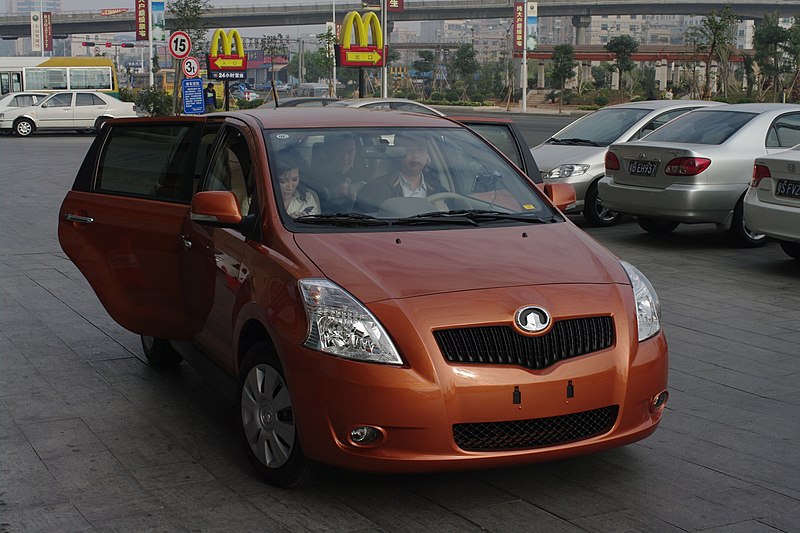
Great Wall Florid

Great Wall PeriLast edited by jpdm; September 26th, 2009 at 04:39 PM.
-
Tsikot Member Rank 3
- Join Date
- Jun 2007
- Posts
- 2,857
September 27th, 2009 07:20 AM #32I saw this old beat up Anfra yesterday somewhere in Cavite...
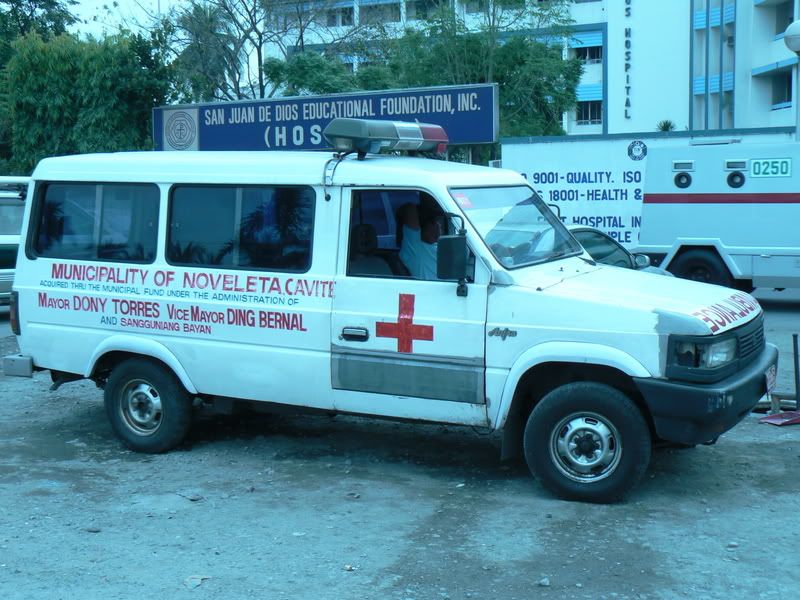
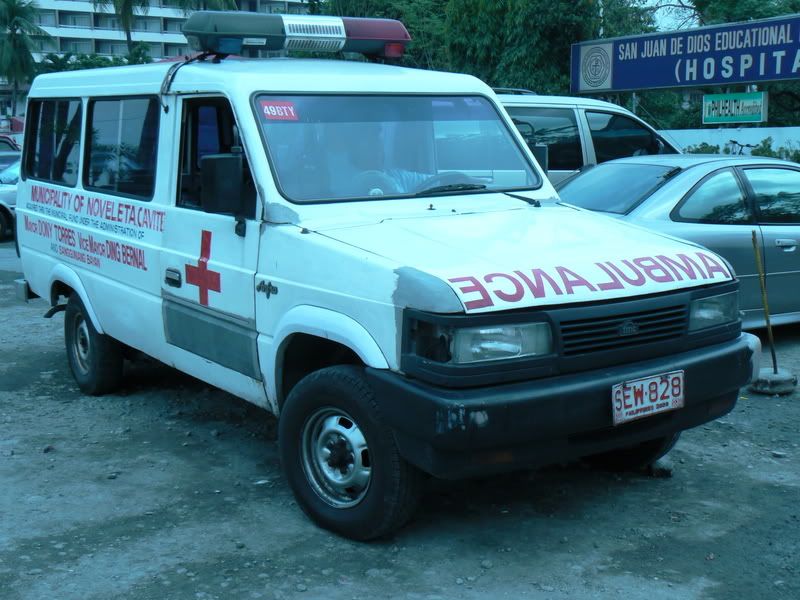
Originally posted by Oyil
Its a must for FMC to redesign and improve the Anfra in make it acceptable for todays motorists.
-
Tsikot Member Rank 3
- Join Date
- Jun 2007
- Posts
- 2,857
September 27th, 2009 09:35 AM #33Maybe this will do for an new ANFRA from Ehnriko: Originally Posted by jpdm
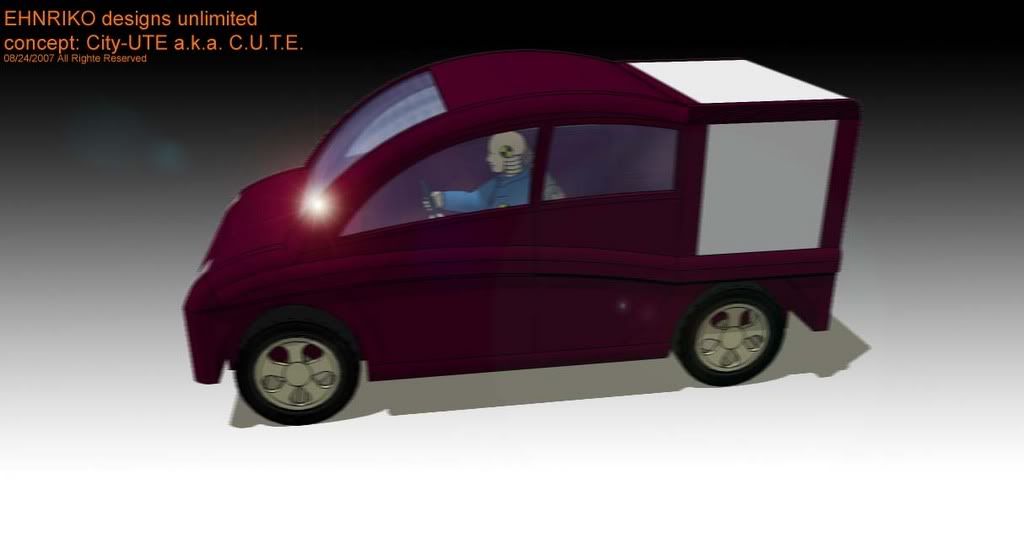
Paging *EMDFrancisco
-
Tsikot Member Rank 3
- Join Date
- Jun 2007
- Posts
- 2,857
October 2nd, 2009 10:05 PM #34A recent article about FMC...
[SIZE=2] [/SIZE][SIZE=3]Of Cars and Finger-pointing[/SIZE]
Romeo Y. Lim
Malaya
October 2, 2009
Editorial
I AM very much tempted to do some finger-pointing and start my barrage of choice swear words against the incompetence that we all witnessed at the height of "Ondoy."
But I bite my lip because I know how hard it is to be competent when many of our government agencies lack the wherewithal to conduct such operations. It is an oversimplification of the budget process but if you can afford to enjoy million-peso dinners and hundreds of thousands of pesos on one meal, how come they can’t give our Philippine Navy more upgraded rubber boats which they have been asking for since time immemorial.
So despite the temptation to blame someone or somebody, I will talk of the tale of two car industries.
Perhaps if we can’t get our act together on dealing with calamities, maybe we can find a way to help revive/build an industry that will open more job opportunities for our people.
Some years back, the Philippines had an upbeat automotive assembly industry.
Trucks and jeeps were being assembled by independently owned workshops and factories in the country. Most successful among these was [SIZE=3]Francisco Motors Corporation (FMC)[/SIZE]. Incorporated in 1960, it started as a small painting shop in 1947 which later became a factory for the building of jeepney and truck bodies.
A flourishing venture then, it entered into partnership with foreign companies such as Ford and Thames , then later with Isuzu, Mitsubishi, and Mazda. FMC became the largest assembler of local motor vehicles in the country and had 2,000 under its employ and producing 5,000 sturdy and roadworthy units annually.
However, the industry, notably FMC, was severely hit by the Asian financial crisis of 1997. It eventually lost steam because it was heavily dependent on imported parts, from simple screws to engine blocks, made in foreign countries.
While it successfully served the domestic market for a while, it had not much of a shield to protect itself from the juggernaut of globalization.
The peso plunged, the cost of imports rose, and the country was swamped by tariff-free second-hand vehicles from Korea and Japan. Coupled with the arrival of "surplus" vehicles, was the free entry of completely built-up (CBU) vehicles.
Eventually, the tragedy that descended on local automotive manufacturing could be traced to the failure of state policies to protect and promote local industries.
In contrast, consider the story of Proton, an auto manufacturing company in Malaysia. Like FMC, it entered into partnership with foreign car manufacturers. However, the basic difference with FMC is that Proton consciously developed towards self-reliance. When Proton started making cars in 1985, all the components were manufactured by Mitsubishi but, through government support, local parts were gradually made as technologies were transferred and skills were gained.
By 1989, or in a matter of four years, Proton was weaned from its dependence on Mitsubishi as it produced the 100,000th Proton Saga.
Malaysia did not ban the importation of Japanese cars but it saw to it that Proton would be protected by imposing tariffs on imported cars while giving incentives to its local customers by granting handsome rebates. With globalist pressures, tariffs of imported cars to Malaysia were gradually reduced but then Proton had already comfortably established its foothold in the local market.
It developed global competitiveness in the area of car manufacturing because it took pains to develop its muscle by protecting local initiatives from undue outside competition.
This has been repeated in the experiences of other countries that have grown strong because they chose to rely on themselves and protect their resources rather than entrust their destiny to others.
Can’t we do this?
[SIZE=2][SIZE=2] [/SIZE]Email address: colonelromeolim*yahoo.com[/SIZE]
-
Tsikot Member Rank 3
- Join Date
- Jun 2007
- Posts
- 2,857
-
Tsikot Member Rank 3
- Join Date
- Jun 2007
- Posts
- 2,857
October 29th, 2009 07:59 AM #36 Originally Posted by jpdm
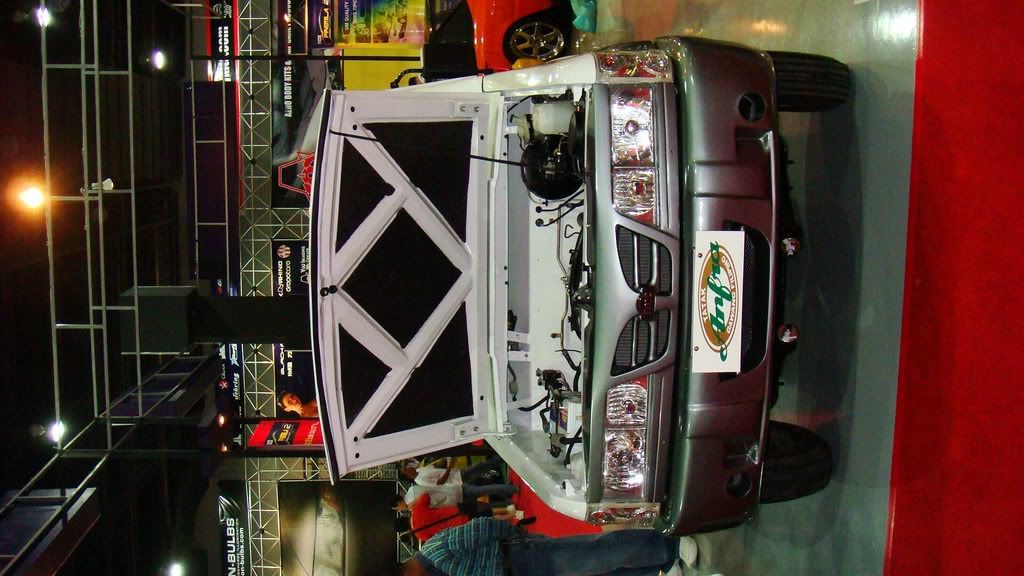
2007 Anfra (Photo courtesy of Drey)
I hope the New Anfra will be alot better than these 2 earlier versions.
-
 ElgrandClubph FB
- Join Date
- Dec 2007
- Posts
- 1,961
October 30th, 2009 08:40 PM #37My god, what tire size is on that thing, That does not look to safe for a vehicle that size.
Looks like trailer tires.
-
 SobrangBilisMagType!
- Join Date
- Aug 2004
- Posts
- 22,702
October 30th, 2009 09:32 PM #38Those would be the typical tire sizes for commercial vans here in Asia. Not great for handling, but not as bad as you might think.

Ang pagbalik ng comeback...
-
Tsikot Member Rank 3
- Join Date
- Jun 2007
- Posts
- 2,857
November 6th, 2009 10:03 AM #39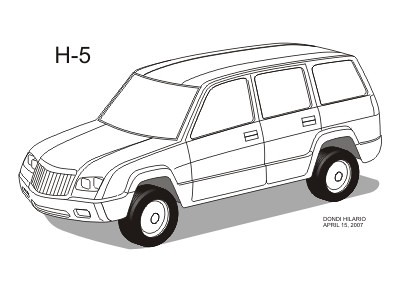
http://www.flickr.com/photos/7746504*N04/
I hope the future of Anfra will look like this..
-
Verified Tsikot Member
- Join Date
- May 2008
- Posts
- 99
December 21st, 2009 11:51 AM #40Hello guys. Email me more designs. We will create the one that would prove to be the most cost efficient so that we could sell them at the lowest possible price. Originally Posted by jpdm
Many thank!
 Originally Posted by nitrox

 Reply With Quote

