
ang lapit sa akin nito katabi mismo puregold qi. Malawak talaga ito quezon insititute.
News
An architect and a landscape designer suggest use of Quezon Institute as COVID-19 hospital
Hospital architect Dan Lichauco and landscape architect Paulo Alcazaren recommend the conversion of old and underutilized structures into COVID-19 hospitals
March 19, 2020
Written by Denny Mata
Photos courtesy of Paulo Alcazaren
As of 12 noon today, 19 March 2020, the Department of Health has recorded 217 confirmed cases in the Philippines. While 655 cases have been tested negative, there still are 298 cases with pending test results. All efforts to flatten the curve have been looked into, some of which have been adopted by the public, like community quarantines, streets sanitation, and the good old washing of hands.
In the architecture and design industry, two designers suggested the use of old and underutilized structures that could be converted into COVID-19 hospitals to contain the spread of the novel coronavirus in the country. From a technical standpoint, reusing old structures that can work with the program is much more efficient, practical, and cost-effective compared to building and spending more money on new structures.
In a Facebook post by architect Dan Lichauco earlier today, he says: “As a hospital architect I feel the QUEZON INSTITUTE can be quickly converted into a 100% COVID-19 hospital.” He followed it up with: “It won’t have all the bells and whistles, but it will do the job taking care of the mild and moderate cases. If patients get severe, they can be brought to existing hospitals.” While a commenter said the idea has been floating around in social media, others commended the advice from an expert like Lichauco.
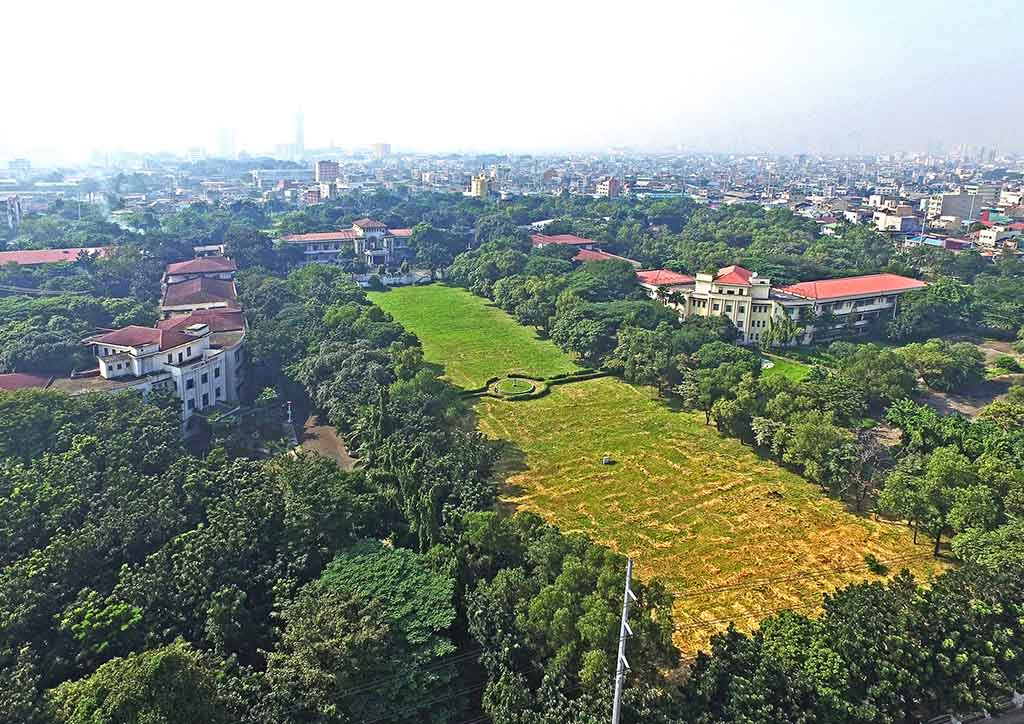
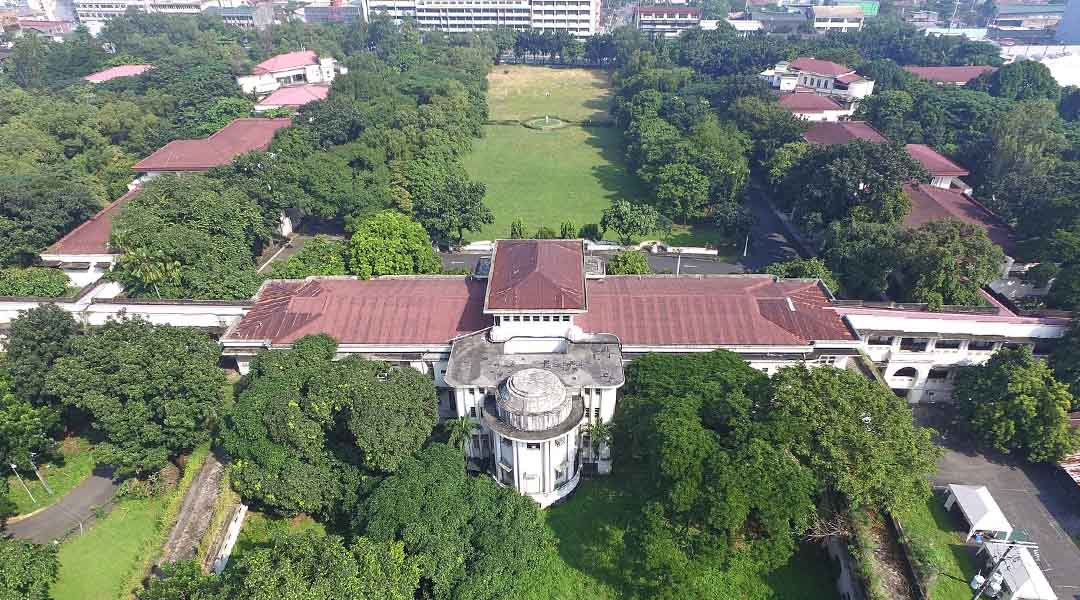
Landscape architect Paulo Alcazaren agreed with Lichauco’s suggestion. In a separate Facebook post on his page, he says: “I agree with Hospital specialist Arch. Dan Lichauco, that the QI would be ideal as a facility for ICU/Containment of COVID19 patients. The large open spaces isolate it from the metropolis, but it is accessible. The green spaces can also be used for tent field hospitals for triage and processing of patients, while the rooms and wards inside could quickly be made ready…far faster than building from scratch. These are aerials I took two years ago and shows how well designed the original was (by Juan Nakpil) to contain the prevalent disease of those times – tuberculosis.”
An architect and a landscape designer suggest use of Quezon Institute as COVID-19 hospital - BluPrint

The Largest Car Forum in the Philippines
- Forums
- Discussions
- Events
- Community
Results 181 to 200 of 1115
-
 BANNED BANNED BANNED

- Join Date
- Sep 2015
- Posts
- 13,917
March 23rd, 2020 10:07 AM #181
-
BANNED BANNED BANNED
- Join Date
- Sep 2015
- Posts
- 13,917
-
 Verified Tsikot Member
- Join Date
- Mar 2018
- Posts
- 1,591
-
BANNED BANNED BANNED
- Join Date
- Sep 2015
- Posts
- 13,917
March 24th, 2020 01:31 PM #184^
ay nakow wag na, sinusuka na yan. Ayaw na ng sanjuan ayaw na din sa manila.
Ang true qc kahit hindi magaling leader eh buhay kami dito kasi nga our forefathers build qc well-planned kaya madami entreprenuer and nice to live kasi gitnang-gitna sa lahat.
Dumaan na kami sa panahon ni mathay na bangkarote ang qc.
Pagp pasok ni sonny belmonte eh doon nakarecover qc. BAle tatay yan ni joy. Both genuine delawans.
If i want the next leader ng true qc eh dapat filipino-chinese na mapera.
But now i support joy. I think mas ok ito kaysa kay herbert.
-
 Tsikoteer
- Join Date
- Oct 2002
- Posts
- 10,819
March 24th, 2020 06:21 PM #185Nope. Joy dilawan lang pag election. Right after ng election bumabaliktad na agad. 2x na nya ginawa, tatakbo as LP then pagkatapos ng oath taking change party na to the ruling party. Balimbing pa sa balimbing. Originally Posted by kagalingan

-
Verified Tsikot Member
- Join Date
- Jun 2018
- Posts
- 1,475
-
Verified Tsikot Member
- Join Date
- Jun 2018
- Posts
- 1,475
-
BANNED BANNED BANNED
- Join Date
- Sep 2015
- Posts
- 13,917
March 24th, 2020 11:39 PM #188^
wow may bukas na pala milkteh. Kaso hindi ko gusto magtimpla si chatime magnolia branch. Watery matabang.
The best si centris branch. Purong cha-ah
Ang gusto ko mag-open eh hardware. Magiistock pa ako water filter.
heaven, iba talaga dito sa true qc. Kargadong-kargado dito
-
BANNED BANNED BANNED
- Join Date
- Sep 2015
- Posts
- 13,917
-
BANNED BANNED BANNED
- Join Date
- Sep 2015
- Posts
- 13,917
March 26th, 2020 09:03 PM #190from corona covid thread dito ako magrereply
Originally Posted by glenn_duke
Originally Posted by kagalingan
Originally Posted by BlancNoir
Sa antipolo kasi malaki lote nila doon at konti population. Bale kung ako leader ng qc eh makipag-deal ako kay antipolo bayaran ko sila. Meron private village doon year 2011 ko nacheck as in hinidi functional mga aanim lang family nakatira as in hindi na dinevelop pinabayaan na. Ipapatag ko na lang gawin ko farming mga village para may kikitain mga irerelocate so may pabahay na may kabuhayan pa.
Hindi kasi pwede irelocate mo lang tapos bahala na si batman. Squatter din mangyayari. Ganyan nangyari sa bulacan at cavite mga squatter capital of luzon. Kabwisit jan sa cavite ang daming tao!!!!
BAle ang target ko mga housing eh ipapatag ko para gawing farm. So im the anti-villar.
-
Tsikoteer
- Join Date
- Mar 2008
- Posts
- 54,631
March 27th, 2020 11:30 AM #191you will be going against the original, natural contour of the land? Originally Posted by kagalingan
isn't this what some folks did, resulting in flooding?
not necessarily their land, but somebody else's.
-
BANNED BANNED BANNED
- Join Date
- Sep 2015
- Posts
- 13,917
March 27th, 2020 03:41 PM #192^
patag, flatten all the houses to make it a farm. So not the natural landscape.
-
Verified Tsikot Member
- Join Date
- Sep 2006
- Posts
- 2,746
March 27th, 2020 04:26 PM #193Flatten the houses but not the natural landscape? Hmmm. What the effin hell are you talking about dude. Originally Posted by kagalingan
Sent from my SM-G935F using Tapatalk
-
Tsikoteer
- Join Date
- Oct 2002
- Posts
- 10,819
March 27th, 2020 06:17 PM #194Farm? Walang water source ang antipolo. San ka kukuha ng water for irrigation? Originally Posted by kagalingan
-
BANNED BANNED BANNED
- Join Date
- Sep 2015
- Posts
- 13,917
March 27th, 2020 07:43 PM #195sean,
pinatag na yan ng mga housing so wala na ipapatag jan. Yung mga bahay nal ang ifaflatten.
yebo,
my vision sa antipolo eh dairy farm like the famous rizal dairy farm in antipolo. Hindi ko na gagayahin yung palayan sa nueva ecija.
The local dairy industry in the philippine eh i think less than 1%. Ganyan kahleet.
-
BANNED BANNED BANNED
- Join Date
- Sep 2015
- Posts
- 13,917
-
BANNED BANNED BANNED
- Join Date
- Sep 2015
- Posts
- 13,917
March 27th, 2020 11:20 PM #197ito nang-agaw ng manila seedling bank at binenta sa ayala na ngayon ay vertis north na.
So may nagnakaw at bumili ng nakaw

-
BANNED BANNED BANNED
- Join Date
- Sep 2015
- Posts
- 13,917
-
BANNED BANNED BANNED
- Join Date
- Sep 2015
- Posts
- 13,917
-
Tsikoteer
- Join Date
- Mar 2008
- Posts
- 54,631

 Reply With Quote


 Originally Posted by kagalingan


