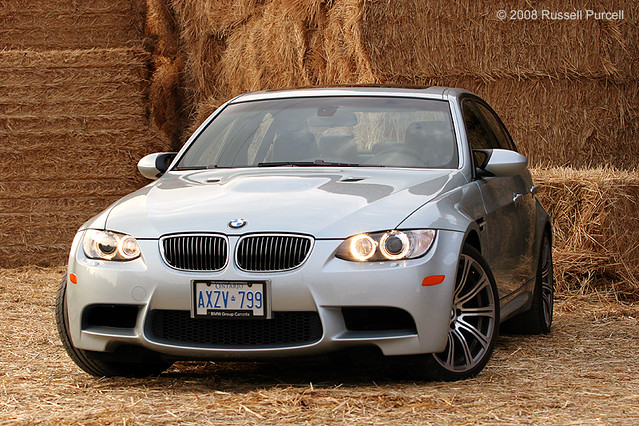
yung mga fresh from the casang mitsu ba yung nakikita kong parang euro plate? yung dealer plates nila style euro.

The Largest Car Forum in the Philippines
- Forums
- Discussions
- Events
- Community
Results 21 to 40 of 91
Hybrid View
-

 Tsikoteer

- Join Date
- Sep 2009
- Posts
- 4,600
July 8th, 2012 09:40 PM #1
-
 twoyotas
- Join Date
- Mar 2009
- Posts
- 21,667
July 8th, 2012 09:47 PM #2Yup. Meron ganyan. Originally Posted by holdencaulfield

Pati Toyota Global City ganyan ata yung theme ng dealer plates nila.
Ok lang naman. Basta huwag yung eu-plate lang ilagay mismo dun in exchange for the already-existent PH plates.
-
 Night stalker
- Join Date
- Jul 2009
- Posts
- 10,310
July 8th, 2012 10:10 PM #3toyota global city, euro theme, blue sa left, yellow sa right. Kaso yung akin napunit sa tagal ng kahihintay ng plate. Dapat binili ko na nung plate cover na pang euro nung una pa lang.
-
Tsikot Member Rank 2
- Join Date
- Jan 2008
- Posts
- 4,725
July 9th, 2012 06:05 PM #4white BMW ba na HATCH??? na EU plates?? kung yan nga, madalas naka park yan dito sa office namin... Originally Posted by renzo_d10
-
twoyotas
- Join Date
- Mar 2009
- Posts
- 21,667
-
 Moderator
- Join Date
- Nov 2010
- Posts
- 25,276
-
 La Dolce Vida
- Join Date
- Jul 2006
- Posts
- 8,555
July 9th, 2012 06:44 PM #7Ever since hindi ko maintindihan ang reasoning kung bakit naglalagay ang isang tao ng euro-plate, pero ang kotse nya nandito sa Pilipinas.
Almost lahat na kotse ko euro, pero ni minsan hindi ako naglagay or bumili ng europlate para sa mga yun. Ang mahal pa nun!
-
twoyotas
- Join Date
- Mar 2009
- Posts
- 21,667
July 9th, 2012 06:53 PM #8Mahal talaga! Originally Posted by lowslowbenz
Yellow fraction pair: ~1.7k
Frames pair: ~1.5k
Plate base: 2k

-
 SobrangBilisMagType!
- Join Date
- Aug 2004
- Posts
- 22,702
July 10th, 2012 09:59 AM #9Used to be... if you could afford to import a European car... you were "astig". These high-end imports came with "Euro-plates". Originally Posted by lowslowbenz
Of course... that's all changed. Nowadays, if you can afford a brand new car... you're "astig". Having a real Euro-plate on the back of your car tells people you're too fricking cheap or poor to afford a brand new car, and you had to go all the way to Port Irene to cheat on taxes and get it.
Hmmm... puwedeng racket yun. Checkpoint... stop all cars with Euro Plates. Tell them they have to produce the importation papers. When they say: "Hindi po... local ito" and show their registration, tell them that you know their registration is fake, because there are Euro Plates on the car. It will have to be impounded pending an investigation by the anti-carjacking group.
Should make them sweat... a lot.
Last edited by niky; July 10th, 2012 at 10:07 AM.

Ang pagbalik ng comeback...
-
 Darker and Bigger
- Join Date
- Oct 2002
- Posts
- 40,599
July 10th, 2012 10:05 AM #10Saka Bakit kailangan bumili Tapos ilalagay naman Sa ilalim ng local plate?
Sent from my iPad using Tapatalk HD
-
 Tsikoteer
- Join Date
- Nov 2009
- Posts
- 12,364
-
twoyotas
- Join Date
- Mar 2009
- Posts
- 21,667
July 14th, 2012 09:14 PM #12Meron nanaman ako nakita kanina... Bimmer nanaman.
Had only EU plates at front, pero sa likod EU plates + RP plates.
Di naman siguro nawala plaka niya?
Eto yung pix ng car niya. Dami picture netong M3 na 'to sa internet.

Ganda ulit, diba?
Pero ayun nga. Sayang. Parang lang yun sa 1-series na BMW, ang ganda.. pero sana naman hinde tinanggal yung front RP plates. There's a reason why we have a pair... kung di naman ilalagay at nakakalusot, edi lahat tayo EU plate nalang ilagay wag na RP plates!
-
 Tsikoteer
- Join Date
- Mar 2012
- Posts
- 448
July 14th, 2012 09:24 PM #13Renzo, hindi M3 yan. Poser lang talaga yang tao na yan, binili nya lang yung M badge tapos nilagay sa kotse niya.... feeling nasa Europe tapos feeling M3 pa
-
 VICE MAYOR
- Join Date
- Apr 2007
- Posts
- 21,343
-
Tsikoteer
- Join Date
- Sep 2011
- Posts
- 626
July 15th, 2012 09:37 AM #15Baka 316i yan sir, pinormahan lang :D Originally Posted by renzo_d10
Sige, 320i nalang)
It doesnt have the buldge on the hood!
-
Tsikoteer
- Join Date
- May 2006
- Posts
- 1,668
-
Moderator
- Join Date
- Nov 2010
- Posts
- 25,276
July 16th, 2012 03:52 PM #17Sa hood, side mirrors at front air dams nagkakaiba ng husto. hehe Originally Posted by babynos01
-
Tsikoteer
- Join Date
- Nov 2011
- Posts
- 538
July 15th, 2012 07:10 AM #18May nakita ako kagabi, along Bayani Rd. sa Taguig.
Toyota Fortuner V. I think 2008 model yata yun. Naka Euro plate na pang-motor.
Yung maliit pero malapad. Hehehe.
Bibili na lang ng Euro plate yung pang-motor pa.
-
VICE MAYOR
- Join Date
- Apr 2007
- Posts
- 21,343
July 15th, 2012 02:45 PM #19Ganito ba bro? Originally Posted by jdee12

Pang SUV yan bro, sa mga Pajero, LC Prado, Patrol Super Safari.
Pero hindi pang Fortuner
-
twoyotas
- Join Date
- Mar 2009
- Posts
- 21,667
July 15th, 2012 02:52 PM #20Euro-inspired daw... Originally Posted by holdencaulfield
Mas favored ko ngayon ang Benzes. Actually since then, I like Benzes over Bimmers. Pero still, I like them both. Originally Posted by babynos01
Especially the 335i coupe & the 1M.

Mahirap talaga ma-distinguish kung legit ///M or poser. Sana kung parang 1M & 115i yan, dali malaman kung totoo or hindi. Bulky kasi yung 1M whereas the normal 1-series coupe is a bit.. less aggressive looking. Lahat naman kung tutuusin, pero parang mas madali kopyahin itsura ng M3.
Pero isa pa rin nasa isip ko. Why put an ///M badge?!

 Reply With Quote
 Originally Posted by holdencaulfield